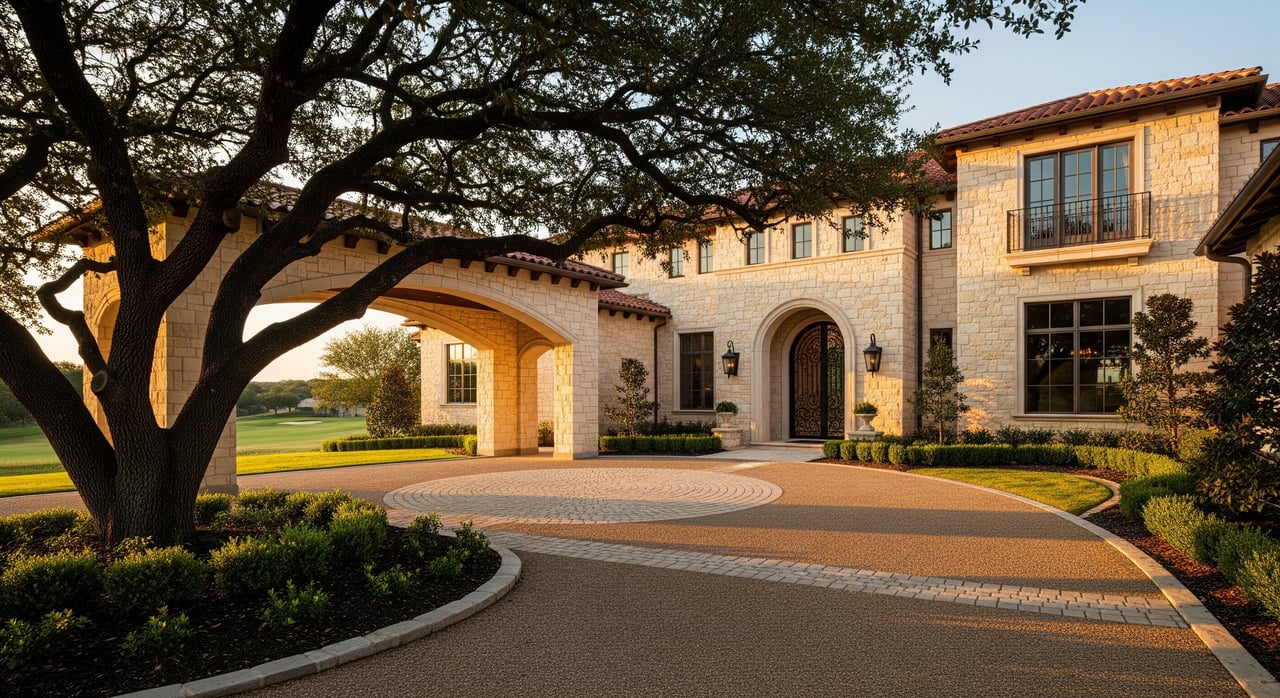
Pricing a luxury estate in The Dominion is not about chasing the highest price per square foot. It is about understanding how privacy, lot position, elevation, and presentation influence what the right buyer will pay. If you are a legacy seller, you want a plan that respects your time, honors your property’s story, and secures a premium with confidence. In this guide, you will learn a proven blueprint built for The Dominion’s gated market, from comp selection and lot/view premiums to renovate-vs-as-is strategy, Sotheby’s narrative marketing, and key legal and HOA checkpoints. Let’s dive in.
Why The Dominion needs a different playbook
The Dominion is a private, guarded, master-planned community with custom architecture, estate lots, and elevated topography. That makes it different from most of San Antonio. Buyers here value privacy, security, usable land, and views as much as interior finish. Fewer comparable sales and longer marketing windows are common when aiming for a top-of-market result, so a specialized pricing approach is essential.
General San Antonio comps often miss The Dominion’s scarcity value. You need a gated-only lens that captures the premium for access control, lot position, view corridors, and outdoor living. Pricing with that precision protects your upside and reduces renegotiation risk later.
Start with gated-only comps
Build the right comp set
- Focus first on closed sales inside The Dominion. If the data is thin, expand cautiously to very similar gated enclaves with comparable product.
- Use 6 to 12 months of sales in active markets. In thin luxury segments, extend to 12 to 24 months and document context for any outliers.
- Capture key fields for each comp: sale date and price, days on market, finished square footage, lot size and usability, elevation or view notes, pool and guest structures, major renovations with dates, and HOA fees.
Closed sales are more reliable than list prices. Pendings and actives can signal momentum, but confirm whether pricing is tightening or softening before using them for anchoring.
Adjustment framework that fits estates
Use a median or weighted average price per finished square foot from your gated comps as a starting base, then adjust for material differences. Typical adjustment bands to validate locally include:
- Lot size and usability: approximately 5% to 25% depending on scarcity and flat, functional outdoor areas.
- View or elevation: approximately 10% to 35% when views influence key living spaces and outdoor rooms.
- Pool and outdoor amenities: approximately 5% to 15% for resort-style environments.
- Condition and recent renovations: approximately minus 10% to plus 25% based on scope and quality.
- Architectural uniqueness: adjust up for broadly appealing design and fine craftsmanship; adjust down if idiosyncratic elements narrow the buyer pool.
These are starting ranges. Validate against recent sales and, for complex cases, consult a luxury appraiser.
Watch market velocity
Beyond pricing bands, your analysis should track market speed and competition. Monitor:
- Sale-to-list ratios and median days on market for The Dominion over the last 12 months.
- Actively listed inventory versus closed sales to estimate absorption.
- Notable outliers, such as off-market transactions or sales with heavy concessions, so you do not overweight an atypical result.
Use these signals to fine-tune the final list price and expected marketing window.
Quantify lot and view premiums
What counts as lot value
In estate neighborhoods, lot quality can drive buyer decisions. Size is only part of it. Usable, flat outdoor areas, drainage patterns, and treed privacy buffers matter. Position on the street and backing to greenbelt, golf, or open views often command a premium. Professionally landscaped terraces, outdoor kitchens, and water features add perceived value.
How to estimate view premium
Identify where the view truly changes daily life. Does it frame the great room, primary suite, and outdoor living areas? If yes, the premium is often higher. Support your estimate by comparing recent sales where the view is documented and demonstrated in photos. Avoid generic national percentages. Instead, show the price difference between local sales with similar floor plans but different view quality.
Proof that persuades buyers
Strong documentation helps you justify a premium and support appraisal. Include:
- High-quality drone and twilight photography that captures approach, orientation, and sightlines.
- Floor plans, site plan, and survey to illustrate setbacks and usable space.
- Elevation notes or simple sun-path diagrams when sunset or skyline orientation is part of the value story.
Buyers and appraisers respond to clear comparisons. Place view and lot documentation at the center of your marketing package.
Renovate or sell as-is
A simple decision flow
- Model cost versus upside. Estimate renovation costs, expected price premium based on comps, and carrying costs over the project and marketing timeline.
- Factor your priorities. Timeline, privacy, stress of managing contractors, and any legacy elements you wish to preserve all matter.
- Compare totals. If the premium is less than the project cost plus carrying costs and a risk margin, list as-is. If the premium comfortably exceeds total costs on a timeline that works for you, proceed.
- Consider a hybrid. Target high-impact refreshes such as paint, floor refinishing, lighting, landscaping, and selective hardware updates.
Where upgrades pay back
In luxury properties, full-scale remodels do not always recoup dollar for dollar. Industry benchmarks often show kitchen and upscale bath projects recouping roughly 50% to 80% in mainstream homes, with lower recapture possible at true luxury levels. Systems upgrades such as HVAC, roof, and electrical can reduce inspection friction and are often worth completing before listing. Cosmetic refreshes and professional staging typically deliver strong near-term ROI without heavy disruption.
Staging and presentation for luxury
Premium presentation is a force multiplier. Professional staging, twilight photography, detailed property booklets, floor plans, and a cinematic video or 3D tour can position your home as trophy inventory. For privacy-minded sellers, controlled access strategies can replace public open houses while preserving presentation quality.
Narrative marketing through Sotheby’s channels
Build a property story
A compelling narrative connects provenance, design, and lifestyle. Gather an asset pack that includes high-resolution photography, aerials, twilight images, floor plans, a 3D tour, drone footage, and a documented list of improvements, maintenance, and warranties. If available, include original builder or architect details and any awards. Explain HOA and gate features clearly, along with showing protocols.
Global and private distribution
Leverage Sotheby’s International Realty for global reach and curated luxury exposure. Pair branded print and digital collateral with programmatic digital ads, social channels, and broker-to-broker introductions within the Sotheby’s network. For privacy, consider off-market or confidential marketing with limited photography, NDAs for showings, and vetted buyer access, following local MLS rules.
Measure what matters
Track inquiries by channel, qualified showings, time to first offer, and conversion from showings to offers. Monitor days on market versus the initial plan and evaluate sale price relative to list. Use these metrics to refine positioning early, not late.
Legal, tax, and HOA must-knows
Texas disclosures and title
Complete the Texas Seller’s Disclosure Notice when applicable and disclose known material defects. Review title, the survey, and any easements that affect perceived privacy or usable area. Work with your closing team to clarify property tax prorations and any exemptions.
Dominion HOA items
Confirm HOA dues, transfer or capital contribution requirements, and any rules that affect renovations, staging, signage, and short-term rentals if relevant. Order the HOA resale packet early to avoid delays once under contract.
Privacy and compliance
If you are contemplating an off-market path, align with MLS and local regulations. Use confidentiality agreements for sensitive showings when needed and set clear gate access protocols in advance.
Your pricing blueprint in one glance
- Build a gated-only comp set anchored in 6 to 12 months of closed sales, expanding to 12 to 24 months when necessary.
- Establish a median or weighted $/sqft and adjust for lot usability, view, amenities, condition, and architectural appeal.
- Validate adjustments with local sales and, for complex view or design premiums, consult a luxury appraiser.
- Decide renovate vs as-is using a cost-versus-upside model and your privacy and timeline priorities.
- Execute a Sotheby’s narrative marketing plan with a complete asset pack, global distribution, and privacy-sensitive options.
- Track market velocity, absorption, and conversion metrics to fine-tune early.
Prepare for a private consultation
Gathering key documents helps you get a precise plan on day one. Bring:
- Bexar County appraisal data with legal description.
- Mortgage payoff statements and any lien details.
- Recent utility, insurance, and HOA invoices; HOA resale packet if available.
- List of renovations with dates, permits, and warranties.
- Floor plans and a current survey if you have them.
- Notes on timing, relocation needs, privacy preferences, and any items you wish to exclude from the sale.
During the consultation, you can expect a review of gated-only comps with an initial price range, a renovate-vs-as-is analysis with estimated costs and timing, a marketing scope discussion that compares public Sotheby’s exposure with controlled outreach, a preliminary net sheet, and a step-by-step timeline.
Ready to build your pricing blueprint and go to market with confidence? Connect with Binkan Cinaroglu for a confidential, results-driven plan.
FAQs
How is pricing in The Dominion different from the broader San Antonio market?
- The Dominion’s gated access, estate lots, and elevation create scarcity, so you use gated-only comps and adjust for lot usability, views, amenities, and condition.
What premium can a view add to my Dominion home?
- Depending on how the view enhances daily living spaces and outdoor rooms, locally validated adjustments often range from about 10% to 35%.
Should I renovate before selling my Dominion estate?
- Run a cost-versus-upside model; if the expected premium does not comfortably exceed total project and carrying costs, consider selling as-is or doing targeted refreshes.
What marketing approach works best for privacy-minded sellers in The Dominion?
- Use a Sotheby’s narrative package with controlled exposure, NDAs for showings, vetted buyers, and MLS-compliant off-market strategies when appropriate.
Which documents should I prepare before a pricing consultation?
- Bring BCAD records, payoff statements, HOA details, renovation lists with dates, floor plans, survey, and notes on timing and privacy preferences.
How do you account for lot size and usability in pricing?
- Adjust from the gated comp base using locally supported ranges, often about 5% to 25%, with higher premiums for larger, flatter, more functional outdoor areas.