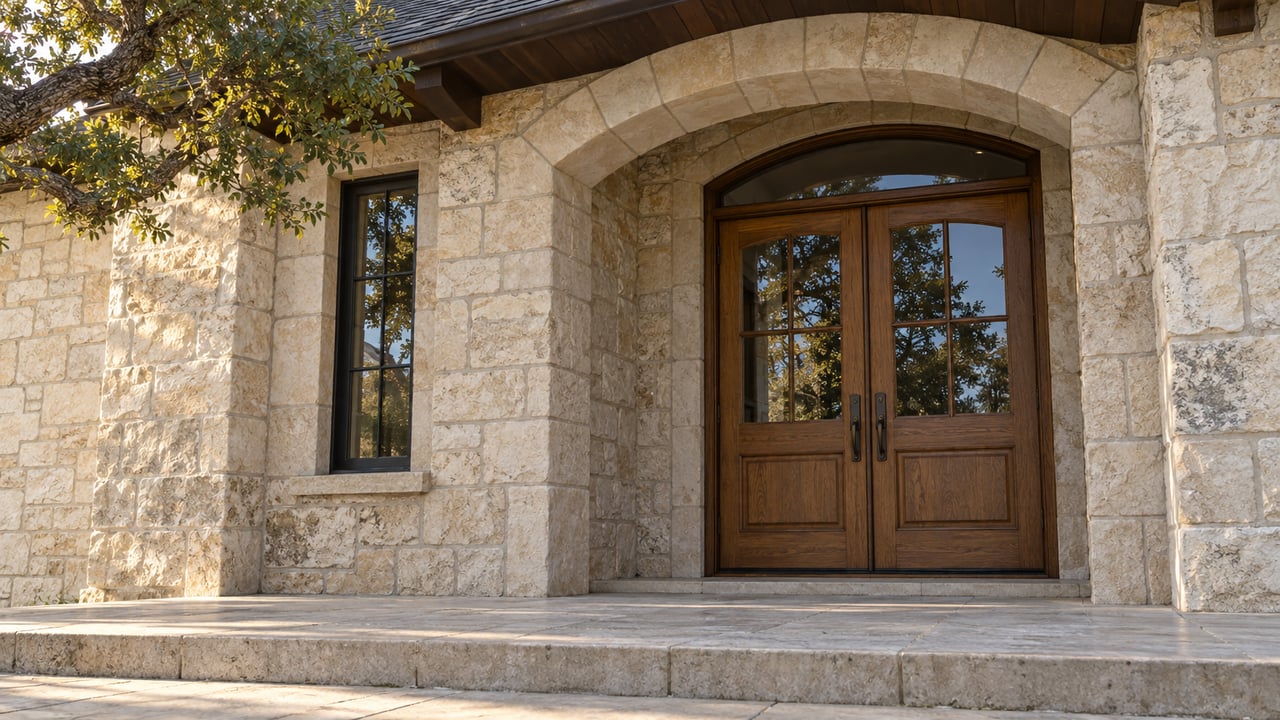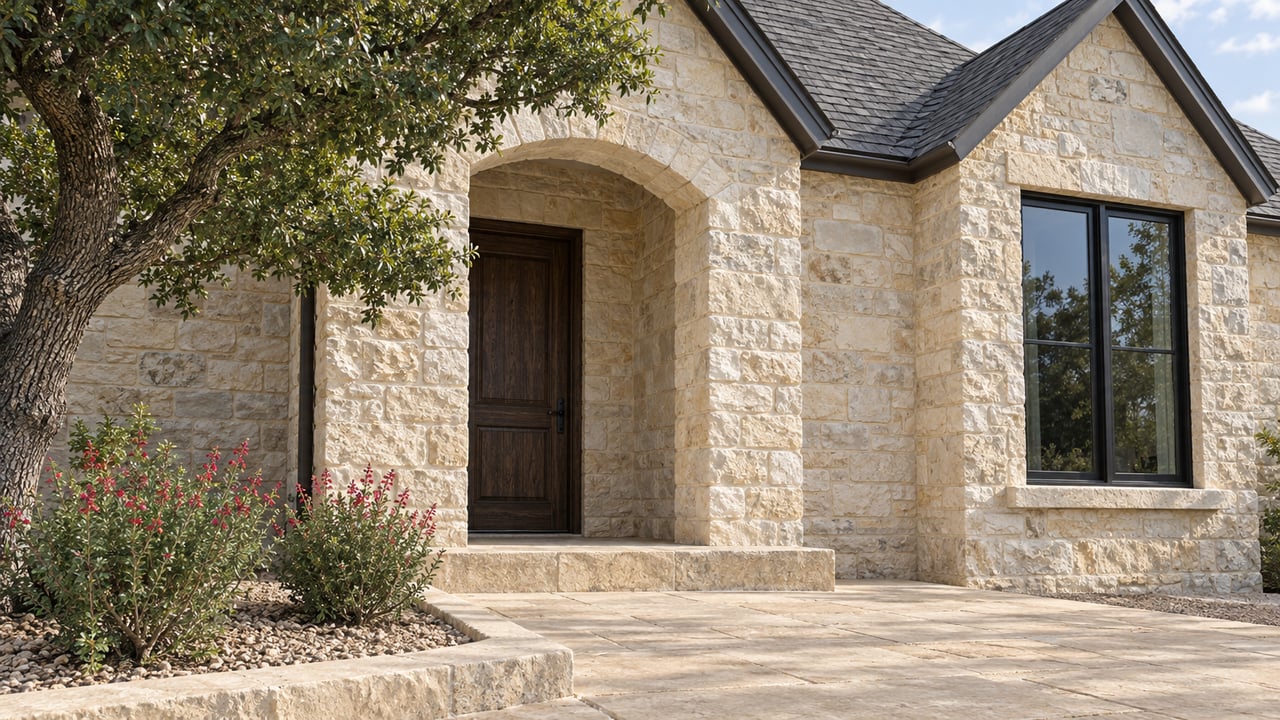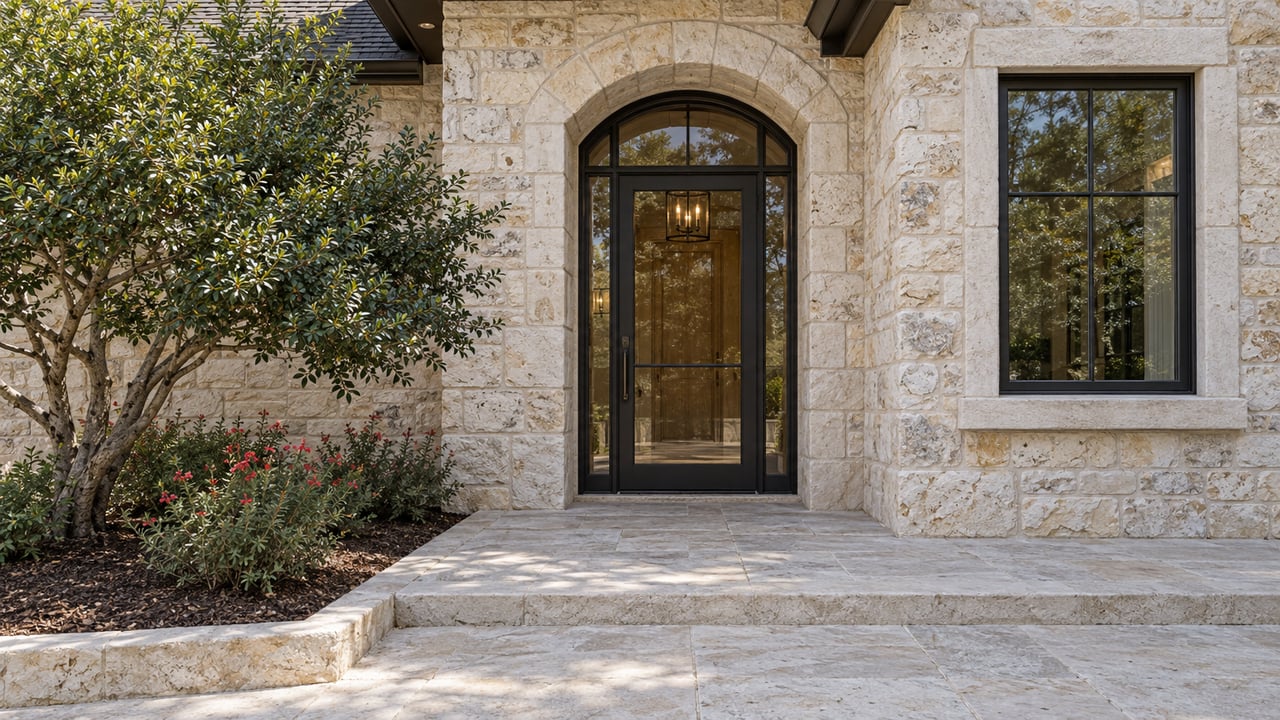
On a Bexar County settlement statement, the property tax proration sits a few lines below the loan payoff and looks just as settled. It has a dollar amount, a per-diem rate and a debit to one side and a credit to the other. For a closing this October or November, though, that figure is usually built before the 2026 tax bill exists. For a Northside ISD home closing before Nov. 3, part of it also rests on a school tax rate that voters have not yet decided. And it tells the buyer very little about the bill that comes a year later.
The proration matters, but it is a placeholder. The bigger cost for a buyer comes in 2027, when the seller's exemptions are gone and the new rates apply in full.
A Bill That Hasn't Been Printed Yet
The Bexar Appraisal District's tax calendar says collectors prepare and mail bills between October and December, and that bills are due on receipt. The San Antonio Express-News reported that 2026 statements were expected in October or November. Because the payment deadline of January 31, 2027 falls on a Sunday, it moves to the next business day.
That leaves a gap of several weeks. Contracts signed in September are closing now, and many of those title companies are working from the 2025 bill, an estimate, or a tax certificate that reflects last year's exemptions. The 2026 statement arrives later.
The standard Texas resale contract plans for this. Paragraph 13 of the TREC One to Four Family Residential Contract, in the version effective July 1, 2026, reads in part:
"The tax proration may be calculated taking into consideration any change in exemptions that will affect the current year's taxes. If taxes for the current year vary from the amount prorated at closing, the parties shall adjust the prorations when tax statements for the current year are available. If taxes are not paid at or prior to closing, Buyer shall pay taxes for the current year."
Two points follow from that language. The contract expects the closing figure to be wrong by some amount and builds in a later settle-up. And when 2026 taxes are unpaid at closing, which is the usual case before bills go out, the buyer is the party who pays the county in full when the bill arrives. The credit received from the seller at closing covers the seller's share, but only to the extent the estimate was right.
Three Rates Set This Fall, One Still on the Ballot
An estimate is only as good as the rates behind it, and 2026 is an unusual year for rates in Bexar County.
- City of San Antonio. City Council approved the FY2027 budget with a tax increase on Sept. 17, 2026, according to the San Antonio Report. The city's own tax rate summary lists the total rate as $0.56288 per $100 of value, made up of 35.138 cents for maintenance and operations and 21.150 cents for debt service. The rate had been $0.541590, and the San Antonio Report noted that the city had not raised its rate since 1992.
- Bexar County. Commissioners adopted the FY2026–27 budget on Sept. 15 and kept the rate at $0.299999 per $100, as KENS 5 and Texas Public Radio reported.
- Northside ISD. The board adopted a total rate of $1.0349 per $100 on Aug. 11, 2026, on a 6–0 vote. According to the approved minutes, that rate assumed the district would call a voter-approval tax rate election.
- North East ISD. The district adopted its 2026–27 rate in September, but the amount was not available in the sources we reviewed. NEISD's public tax page still showed the 2025–26 total of $0.9822.
Northside ISD is the one with an open timing question. KSAT reported that Proposition A, on the Nov. 3, 2026 ballot, would raise the district's rate from $1.0049 to $1.0349 per $100 if voters approve it. The interim superintendent estimated the difference at about $30 a year for a home valued at $100,000. The same report said the plan takes effect only if voters approve it.
Today is Oct. 13, three weeks before Election Day. A home in Northside ISD territory that closes before Nov. 3 is being prorated against a school rate that could land at either figure. We did not find a published source explaining which rate appears on bills issued before the result is known. The three-cent spread is small per $100, but on a higher-value home it adds up to a few hundred dollars, which is exactly the kind of difference the Paragraph 13 settle-up exists to resolve.
The Exemption Gap Inside the Proration
Rates are only half of the estimate. The other half is exemptions, and here the contract stops giving direction.
The current-year proration may "take into consideration any change in exemptions," but nothing says how. Texas National Title addresses this in its article on taxes and closing pitfalls. It says the contract offers no instruction for an exemption that applies to the seller but not to the buyer. It also says the county tax office, not the title company, decides how exemptions are handled, and that a county may remove an exemption after closing. That can mean a larger bill for the buyer and a proration that no longer balances. The company says it often has to ask the agents on both sides how to prorate a given file.
This comes up most often with long-held homes owned by sellers 65 or older. The Texas Comptroller's exemptions page says school districts must grant an additional $60,000 residence homestead exemption to eligible owners who are 65 or older or disabled. To qualify, the owner must meet the age or disability standard, own the home and live in it as a principal residence. A buyer does not take on the seller's eligibility by purchasing the house. The rate freeze is also large in San Antonio. The San Antonio Report noted that city taxes are frozen for homestead owners who are 65 or older or have a disability, and the city puts that group at about 47% of San Antonio households.
So when the seller holds a freeze, the city's increase from $0.541590 to $0.56288 may not show up on the seller's side of the 2026 bill. It will show up in full once the house belongs to someone who does not qualify.
Where the Real Cost Lands in 2027
The usual explanation of what changes after a sale centers on the 10% homestead cap. The Comptroller's valuation page explains that the limit applies only to a property with a homestead exemption. It takes effect Jan. 1 of the year after the owner qualifies and ends Jan. 1 of the year after the owner stops qualifying. A fall 2026 buyer does not keep the seller's capped value.
In 2026, though, the cap reset may be the smaller part of the change. A cap only creates a gap when market value has risen faster than 10% a year. In April 2026, the Bexar Appraisal District said it was mailing notices to about 196,000 owners whose values had changed by more than $1,000, out of more than 734,000 properties reviewed. It described "a continued softening in the residential market, with many properties showing slight declines in value." Bexar County's September budget presentation showed a 2026 net taxable base of $242,216,229,910, down 1.3% from the prior year.
With values flat or slipping, many homes have a capped value close to their market value, so losing the cap changes relatively little. Three other changes make a larger difference, and they add up:
- The seller's age-based exemption and freeze end. The extra $60,000 school exemption and the rate freeze belonged to the seller and do not carry over to the buyer.
- The new rates apply with no freeze. That means $0.56288 for the city and, if Proposition A passes, $1.0349 for Northside ISD.
- The buyer's own exemptions depend on the buyer's application. The Comptroller lists the 2026 general homestead exemption for school taxes at $140,000 for an owner with an ownership interest who uses the home as a principal residence. The same page says an owner who buys after Jan. 1 may qualify for the applicable portion of that tax year if the previous owner did not receive the same exemption for that year.
This is why the proration is a poor guide to what owning the home will cost. It splits the seller's 2026 bill, with the seller's exemptions and the seller's freeze. The buyer's carrying cost starts with the 2027 bill, under the rates set this fall and only the exemptions the buyer qualifies for.
Settling the Assumptions Before the Signing Table
On a fall 2026 Bexar County file, a few questions are worth answering while there is still time to negotiate:
- Which exemptions are on the current tax certificate, and is the proration counting any that will end with this sale?
- Which school rate is in the estimate for a Northside ISD property, $1.0049 or $1.0349, and how will the difference be handled after Nov. 3?
- Who will produce the Paragraph 13 settle-up once the 2026 statement is posted, and do both parties have contact details that will still work in December?
- For NEISD properties, has the 2026–27 adopted rate been confirmed with the district rather than taken from the 2025–26 table?
Texas National Title says the parties can agree on the proration method in advance, and its process includes a signed disclosure at closing. This post is general information, not legal, tax or financial advice. Confirm your own exemptions, rates and proration terms with your title company, a tax professional or an attorney.
FAQ
If the closing estimate was too low, does the seller owe the difference? Paragraph 13 says the parties shall adjust the prorations when current-year statements are available. How that adjustment is collected in practice depends on the parties and the title company's process.
Does the Nov. 3 Northside ISD vote matter if I close after Election Day? Yes. The result decides whether the district's 2026–27 rate is $1.0349 or $1.0049 per $100, according to KSAT's reporting. A later closing simply prorates against a known rate.
Can a buyer under 65 keep a seller's tax freeze? The Comptroller's criteria for the age-based exemption depend on the applicant's own age or disability, ownership and principal residence, so the seller's eligibility does not pass to the buyer.
When is the 2026 bill due? The deadline is Jan. 31, 2027. That date is a Sunday, so it moves to the next business day, according to the Express-News.
On higher-value Bexar County homes, the gap between a seller's frozen, exemption-reduced bill and a new owner's 2027 bill can matter more than a few thousand dollars of price negotiation. Binkan Cinaroglu works through the tax certificate, the school-district rate and the post-closing adjustment with buyers and sellers before contracts are signed. If you have a closing on the calendar this fall, request a private consultation.